Season 1, Episode 4 Details:
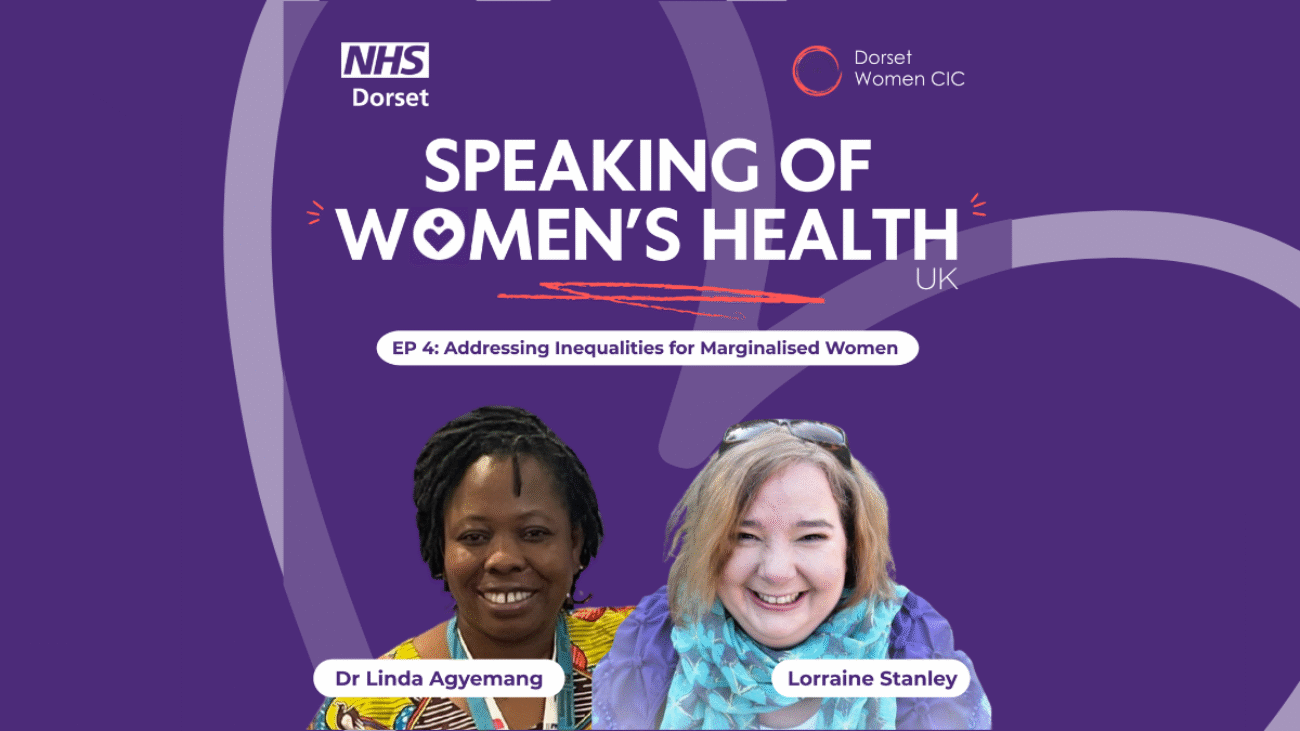
‘Addressing Inequalities for Marginalised Women’ with Dr Linda Agyemang and Lorraine Stanley
Listen to the episode:
Episode Overview:
Join Dr Linda Agyemang and Lorraine Stanley as they candidly share personal stories exposing deep-rooted inequalities in women’s health. Their stories highlight the powerful role of lived experience in how they’re lending their voices to the projects driving change for all women.
Detailed Episode Show Notes:
“When people aren’t listened to, these challenges could lead to critical missed opportunities for care.”
In a fully functioning healthcare system, why is a Black woman 3 to 4 times more likely to die in childbirth? Or to be diagnosed with advanced breast cancer?
Why should those with disabilities not be able to access the same equipment and facilities as all women?
These are the inequalities that Dr Linda Agyemang and Lorraine Stanley are battling, for the benefit of all women.
From groundbreaking research, candid personal experiences and the voices of marginalised groups, we’re revealing hidden barriers that keep many of us from accessing timely care – and the initiatives empowering Dorset’s women to overcome them.
This episode of ‘Speaking of Women’s Health’ gives a voice to those who need it most, documents the mission for equitable health outcomes, and sheds light on how we’re shaping a system that works for everyone.
👤Guest Profiles:
Dr Linda Agyemang –
- Senior Lecturer
- Department of Nursing Science at Bournemouth University
Lorraine Stanley –
- Founder & CEO
- SWAD – Sex With a Difference
⏱️ Chapters:
[0:00] – Why Racial Disparities in Healthcare Provision Need Addressing
[10:20] – Community Projects and Training Initiatives
[14:45] – Disability, Accessibility and Intersectionality
[29:05] – Building Bridges and the Role of Trust and Advocacy
[35:30] – Next Steps & How You Can Help
🔑Key Themes:
- Health Inequalities for Minority and Disabled Women
- The Power of Lived Experience and Advocacy
- Barriers to Healthcare Access for Marginalised Groups
- How Intersectionality Affects Access to Care and Information
📖 Resources Mentioned:
- Women’s Health Support in Dorset: https://ourdorset.org.uk/women/
- Dorset Community Action: https://www.dorsetcommunityaction.org.uk/
- Getting It Right First Time (GIRFT): https://gettingitrightfirsttime.co.uk/
- Community Action Network: https://can100.org/
🔗 Connect with us:
Dr Linda Agyemang, LinkedIn: https://www.linkedin.com/in/linda-agyemang-phd-79a0aa11a/
Lorraine Stanley, LinkedIn: https://www.linkedin.com/in/lorraine-stanley/
Marianne Storey, LinkedIn: https://www.linkedin.com/in/marianne-storey-46938435/
Anjali Mavi, LinkedIn: https://www.linkedin.com/in/anjali-mavi-66a5a86/
Dorset Women CIC Website: https://dorsetwomen.org.uk/
Women’s Health Support in Dorset: https://ourdorset.org.uk/women
🎯 Action Items for Listeners:
- Visit the Our Dorset Women’s Health website for evidence-based health information.
- Share the podcast and website with other women in the community.
- Consider how to advocate for women’s health in your local area
- Encourage male family members and partners to learn about women’s health issues
- Get involved in local or online networks supporting minority and disabled women’s health
- Advocate for more accessible healthcare equipment and environments in local clinics and hospitals
- Support and promote digital inclusion by helping others access digital health information and resources, particularly within marginalised communities
💡 Top Quotes:
5:35 – Dr Linda Agyemang:
“The likelihood of being diagnosed with advanced breast cancer (stage three or stage four) is higher for Black women. That’s a gruelling report, it’s chilling to read. It’s high time we have these conversations, because when we don’t talk about it, then we don’t know whether what we are doing now is actually working.”
7:10 – Dr Linda Agyemang:
“We had a PPI to understand Black women’s needs, and one thing they keep saying is that they’re not being listened to. When people aren’t listened to, these are some of the challenges that could then lead to missed opportunities for care.”
18:20 – Lorraine Stanley:
“The amount of people that leg supports might help is phenomenal, so that if you have something like ME, Fibromyalgia, MS, Parkinson’s, anything that involves your muscle power… that would make screenings accessible.”
22:25 – Lorraine Stanley:
“There’s a lot of intersectionality. For some women, it will be a double or triple-whammy situation. I’ve got to a stage in life where I’ve given up being quiet about things. I’ve stepped into my power. I’m not waiting around anymore for somebody else to do something.”
34:35 – Lorraine Stanley:
“I’m a disabled person with autism who also does training and is involved in women’s health. To be in that appointment and know that the NHS in Dorset has invested time and money in putting on that training is really, really good news… because it’s not happening everywhere, even though it should be.”
39:00 – Dr Linda Agyemang:
“These women are already marginalised, so we need to think about how it’s going to work for them. We can only do that by working closely with them. We need to go to where they are and work with them, listen to their concerns and take them on board.”
42:15 – Marianne Storey:
“We need a network of trusted people for minority communities in order that – whatever information we have that could reduce their inequality of experience and lengthen their healthy lives, and give them equal health opportunities – we can use that network somehow.”
 Transcript: Find the full transcript here. Please note, these notes are AI generated.